Ariégeois Personality Profile
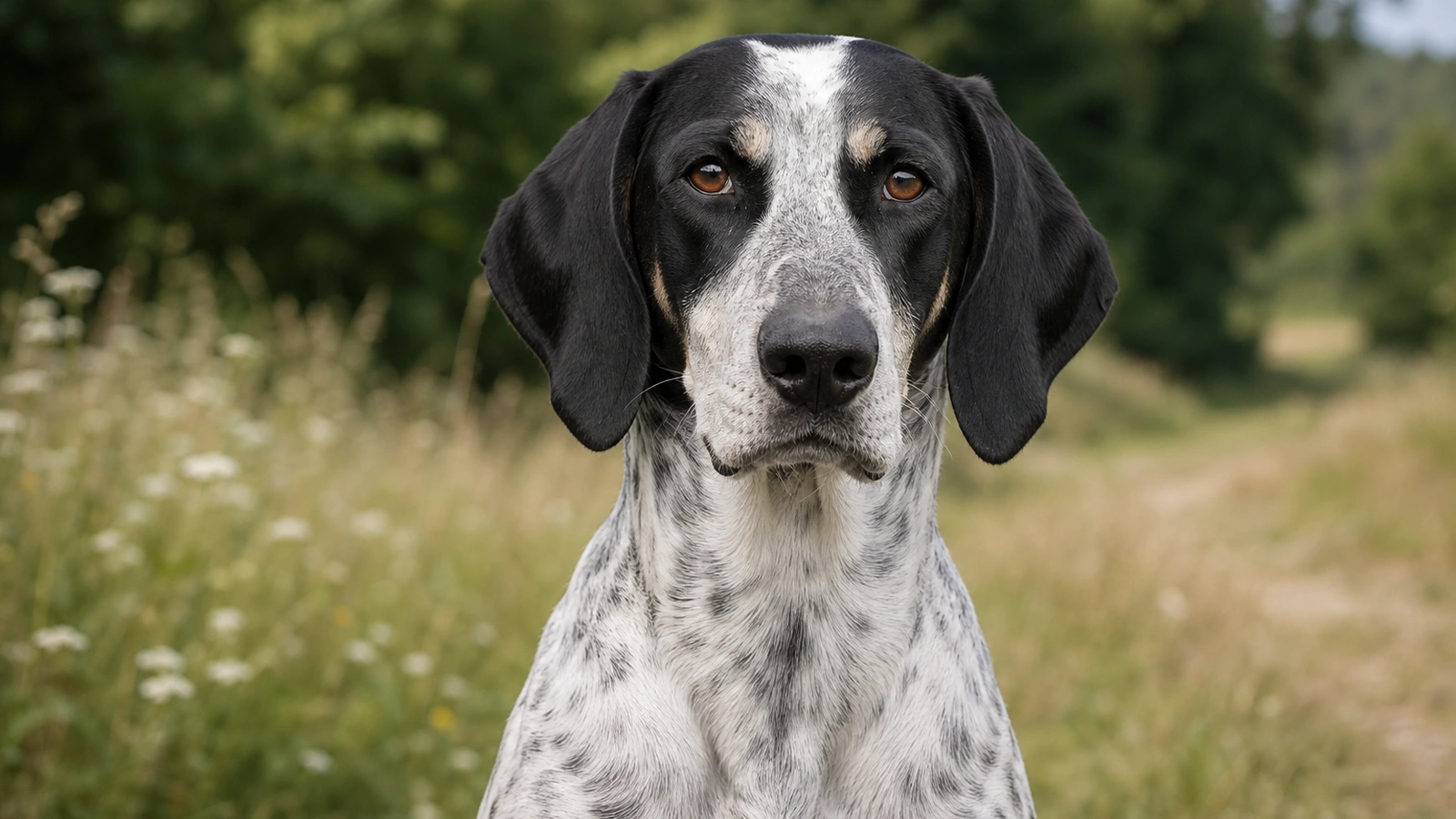
The Ariégeois is a gentle, sociable scenthound known for its even temperament and affectionate nature. While highly driven and occasionally stubborn when following a scent, they are loyal family companions that get along well with children and other dogs. They thrive on companionship and require regular exercise to stay happy and healthy.
FRIENDLINESS
Very Accepting
8 out of 10
ATTACHMENT
Affectionate
7 out of 10
PLAYFULNESS
Moderate
6 out of 10
TEMPERAMENT FAQ
Are Ariégeois smart?
Average
5 out of 10
The Ariégeois is a smart and driven scenthound. While intelligent, their strong hunting instincts mean they can be easily distracted by interesting scents. Training requires patience, consistency, and positive reinforcement, as they may prioritize their nose over obedience commands.
Do Ariégeois like to cuddle?
Moderately Cuddly
6 out of 10
They are gentle and sweet-natured with their families. While they enjoy spending time with their pack and appreciate affection, they are not overly demanding of physical contact. They are happy to relax nearby after a long day of exercise.
Do Ariégeois get separation anxiety?
Anxious
7 out of 10
Bred to hunt in packs, the Ariégeois is highly sociable and thrives on companionship. They can develop separation anxiety if left alone for extended periods. They do best in homes with other dogs or where someone is frequently present.
Do Ariégeois bark a lot?
Very Vocal
9 out of 10
Like most scenthounds, they are highly vocal. They possess a loud, musical bay that they use freely when on a scent or when excited. Early training is essential to manage their tendency to be noisy in a residential environment.
Are Ariégeois protective?
Non-Protective
2 out of 10
They are alert and will bark to announce visitors, but they are too friendly and easygoing to be effective guard dogs. They are not highly territorial and typically welcome newcomers once they are properly introduced.

VET INSIGHTS
Bred to hunt in packs, the Ariégeois is highly sociable and thrives on companionship. They can develop separation anxiety if left alone for extended periods. They do best in homes with other dogs or where someone is frequently present.
Reviewed by
Dr. Vojtech Gabriel
DVM · PhD · MBA
Veterinarian
Researcher
Dog breed specialist
✓
Verified