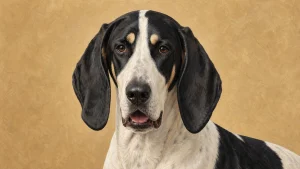
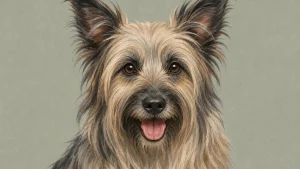
Grand Basset Griffon Vendéen Training Profile
The Grand Basset Griffon Vendeen is an intelligent, independent scent hound that can be stubborn during training. They require patient, consistent leadership and respond best to positive reinforcement with high-value rewards. Early socialization and variety are key to managing their scent-driven distractions, while their high energy demands vigorous daily exercise to remain well-behaved companions.
TRAINABILITY
Stubborn
3 out of 10
MENTAL STIMULATION NEEDS
High Needs
8 out of 10
LOVE FOR GRUB
Great Eater
8 out of 10
TRAINING FAQ
Are Grand Basset Griffon Vendéens easy to train?
Independent
4 out of 10
Grand Basset Griffon Vendéens are intelligent yet independent dogs that can be moderately challenging to train due to their stubborn scent-hound nature. They respond best to patient, consistent leadership and reward-based techniques, such as using high-value treats and toys to maintain their engagement. While they are outgoing and eager to please in a home setting, their strong tracking instincts mean they are easily distracted by scents, requiring short and fun training sessions to be successful.
Are Grand Basset Griffon Vendéens stubborn?
Somewhat Stubborn
4 out of 10
Grand Basset Griffon Vendéens are intelligent but possess a notably independent and somewhat stubborn streak. As scent hounds, they are easily distracted by interesting smells, requiring patient, consistent training. Owners should use positive reinforcement and high-value rewards to keep these pack-oriented dogs engaged and motivated during training.
How to train a Grand Basset Griffon Vendéen puppy?
Below Average
4 out of 10
Train your Grand Basset Griffon Vendeen puppy using positive reinforcement, high-value rewards, and short, engaging sessions to manage their independent nature. Focus on early socialization and establishing a consistent housebreaking routine. Since they are scent-driven and easily distracted, prioritize teaching a reliable recall and use a leash or secure area for exercise. Maintain patient, firm leadership to build a trusting relationship while ensuring they learn clear boundaries from a young age.
How difficult is to potty train a Grand Basset Griffon Vendéen puppy?
Demanding
4 out of 10
Potty training a Grand Basset Griffon Vendeen typically takes several months, often requiring six to twelve months for full reliability. Their independent scent-hound nature and stubborn streak make them demanding students who are easily distracted by smells. Success depends on a rigid schedule, crate training, and consistent positive reinforcement using high-value treats to overcome their willful disposition.
How many walks does a Grand Basset Griffon Vendéen need?
Extreme Needs
10 out of 10
Grand Basset Griffon Vendeens are active scent hounds that require approximately 1 to 1.5 hours of daily exercise. This should include brisk walks and hikes that allow them to engage their strong scenting instincts. Because of their hunting heritage, it is essential to keep them on a lead or in a securely fenced area to prevent them from wandering off after an interesting smell.


What is the best daily routine for a Grand Basset Griffon Vendéen?
Moderate High
7 out of 10
A Grand Basset Griffon Vendéen’s daily routine should focus on structured physical activity and mental engagement to satisfy their scent-hound instincts. Provide 60 to 90 minutes of daily exercise, ideally split into long, brisk walks or hikes where they can safely explore scents on a lead. Feed adult Grands twice daily and puppies three to four times to prevent obesity. Essential daily care includes cleaning their long ears to prevent infection and brushing their rough coat two to three times weekly. Incorporate short, fun training sessions using positive reinforcement and scent-based games or puzzle toys to prevent boredom and nuisance barking.
VET INSIGHTS
Grand Basset Griffon Vendéens are intelligent yet independent scent hounds, necessitating patient training with high-value rewards. This high-energy breed requires 60 to 90 minutes of daily exercise, primarily brisk walks or hikes. Housebreaking can be demanding, often requiring several months of consistency. Their care routine emphasizes ear cleaning and coat brushing to prevent infection and obesity.
Reviewed by
Dr. Vojtech Gabriel
DVM · PhD · MBA
Veterinarian
Researcher
Dog breed specialist
✓
Verified