Skip to content

Welsh Terrier - MAIN HUB

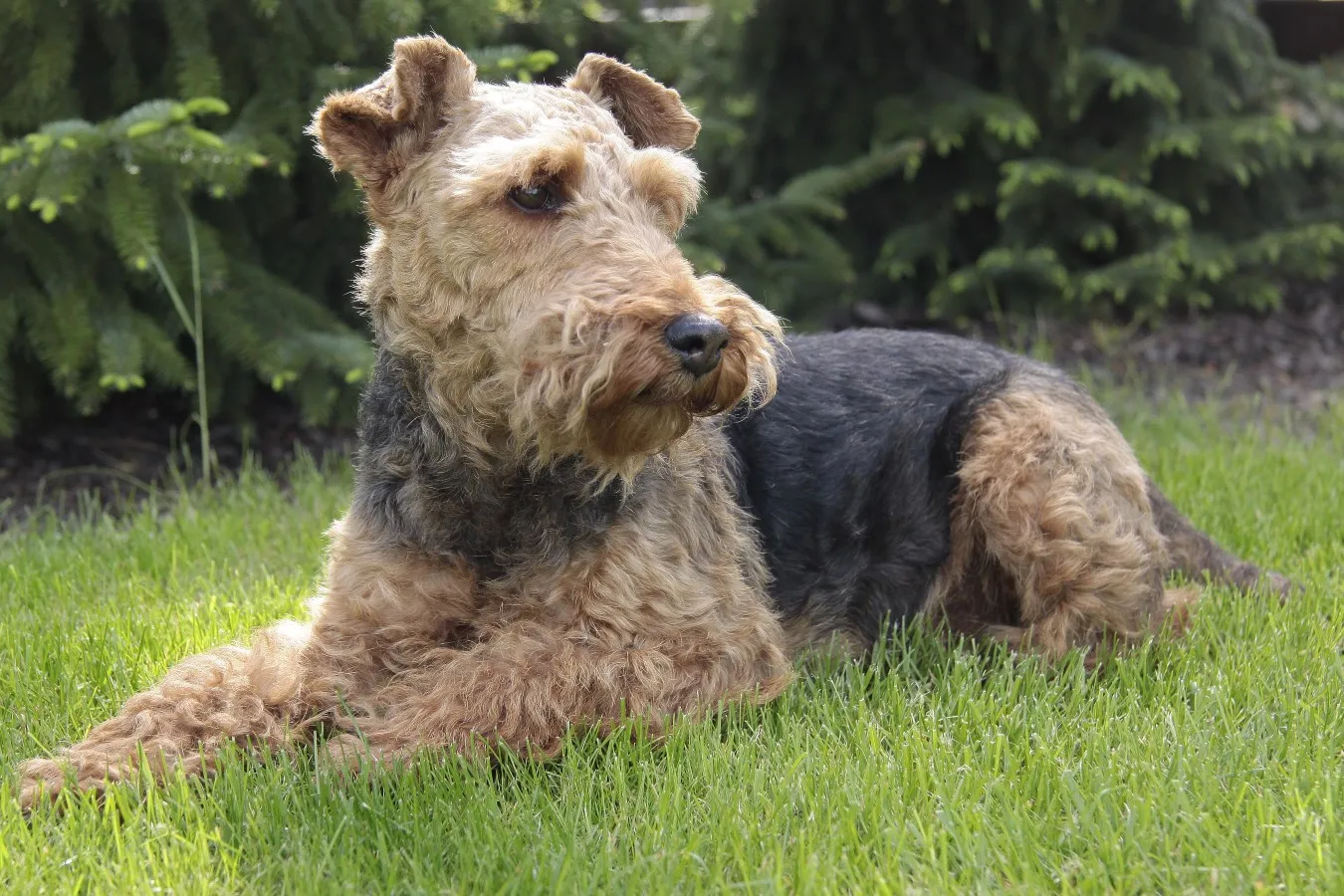
Meet the Welsh Terrier: a spirited, smart, and sturdy companion! This “Welshie” brings endless energy, affection, and a playful soul to every home.

BREED GROUP

Terrier Dogs

Country of origin

United Kingdom

BREED SIZE

Small

BREED HEIGHT

15 -

16 IN

38 -

41 cm

BREED WEIGHT

20 -

22 LB

9 -

10 KG

WHAT YOU NEED TO KNOW

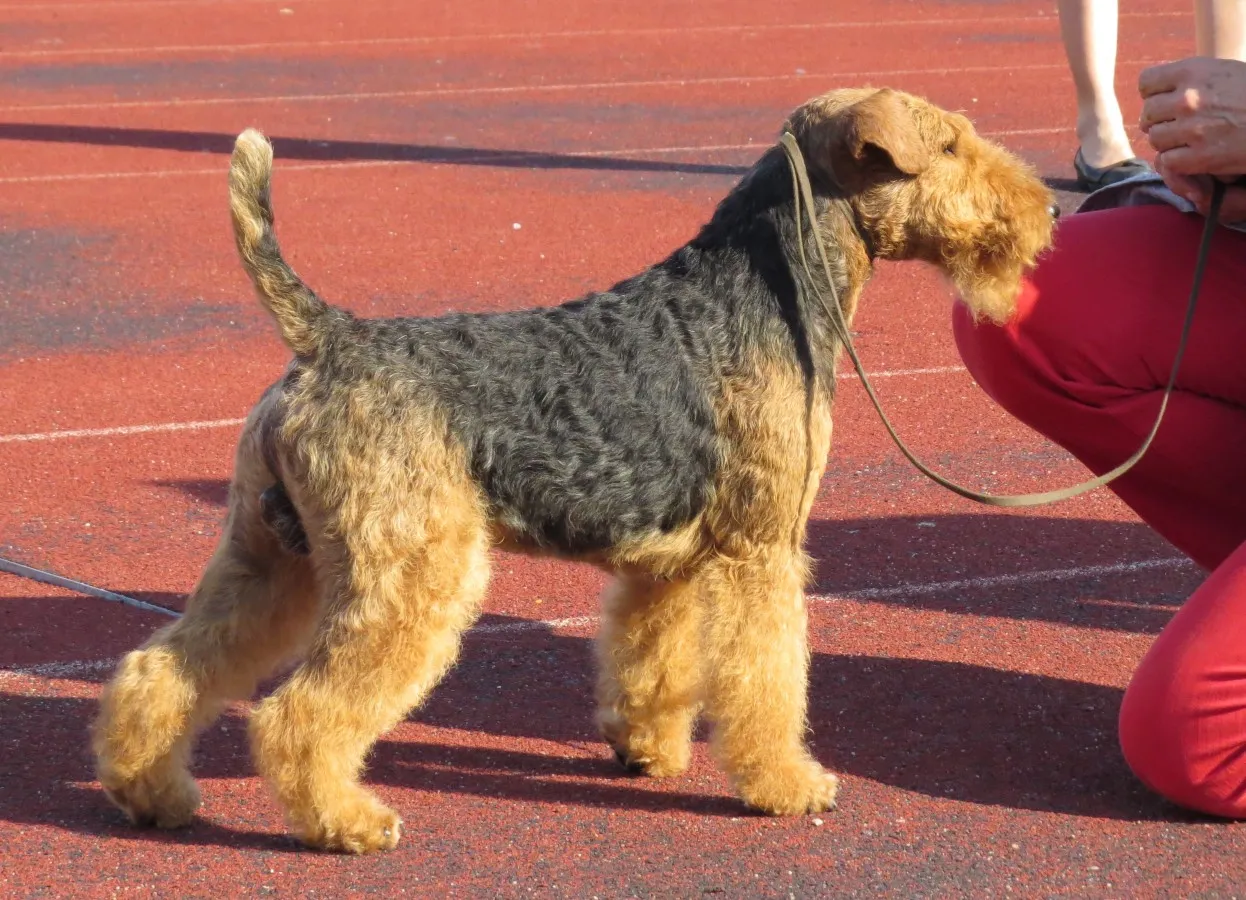
The Welsh Terrier is a sturdy, spirited breed from Wales, originally developed to hunt badgers, foxes, and otters. Known for their distinctive wiry black-and-tan coat and rectangular head, these "Welshies" are intelligent, friendly, and deeply affectionate with their families. They possess a high energy level and a strong prey drive, necessitating daily interactive exercise and secure fencing. While they are generally good with children and make excellent watchdogs, their independent nature requires patient, consistent training and early socialization to ensure polite behavior around other dogs and pets.
american kennel club (AKC) recognition

Yes

Breed was recognized in 1888.

International Canine Federation (FCI) recognition

Yes

Breed was recognized in 1954.
WHAT DO OWNERS WANT TO KNOW?

Are Welsh Terriers good family dogs?

Average

5 out of 10

The Welsh Terrier is a friendly and deeply affectionate breed that is generally good with children, making them an excellent choice for a family pet. Due to their high energy and independent nature, they require consistent training and plenty of daily interactive exercise to thrive in a household setting. Their spirited personality ensures they are both devoted companions and effective watchdogs for their loved ones.

Average

5 out of 10

Welsh Terriers are generally good with children, known for being affectionate, playful, and sturdy companions. Due to their high energy and strong prey drive, they may occasionally chase or jump on smaller children, making supervision and early socialization essential. They thrive best with active, respectful children who can participate in their interactive play and daily exercise routines.

Average

5 out of 10

Welsh Terriers are frequently considered one of the most challenging terrier breeds. They are often not recommended for novices due to extreme stubbornness, intensity, and a high prey drive that requires experienced handling.

Great

8 out of 10

Welsh Terriers can adapt well to apartment living due to their compact size and sturdy nature. However, they are high-energy dogs that require significant daily exercise and mental stimulation to prevent boredom and destructive behaviors in smaller homes.

Low

7 out of 10

A yard is not strictly required for a Welsh Terrier, as they can adapt to apartment living if their high exercise and mental stimulation needs are met. However, a securely fenced yard is highly recommended to safely manage their energetic nature and strong prey drive, providing an ideal space for interactive play and supervised outdoor activity.

Poor

2 out of 10

Welsh Terriers are spirited, social dogs that bond deeply with their families and generally do not like being left alone for long periods. Their high energy and intelligence mean they can quickly become bored and destructive if isolated without an outlet. They can learn to tolerate moderate absences if they receive substantial daily exercise and are provided with mental stimulation, such as interactive puzzle toys, to keep their active minds occupied.

Fair

4 out of 10

Welsh Terriers have an exceptionally high prey drive and a tendency to chase smaller animals. They are less than ideal with cats unless highly supervised, and their hunting instincts make them unreliable around small pets.

Reactive

2 out of 10

Welsh Terriers are not naturally aggressive toward people and are often described as calmer and less quarrelsome than many other terrier breeds. However, their hunting heritage gives them a strong prey drive and a bold, assertive nature that can lead to defensive behaviors if challenged by other dogs. Consistent early socialization and positive reinforcement training are essential to manage these instincts and ensure they remain friendly, well-behaved companions.

High

8 out of 10

Welsh Terriers are high-energy, spirited companions that require substantial daily physical and mental stimulation to thrive. They enjoy activities like long walks, interactive play, and games like fetch or agility. Without consistent exercise and engagement, their intelligence and athletic nature can lead to boredom and destructive behaviors in the home.

~75 min a day

7 out of 10

Welsh Terriers require a minimum of 60 to 90 minutes of daily exercise to maintain their physical and mental health. This high-energy breed thrives on variety, including long walks, jogging, and interactive play like fetch or Frisbee. Incorporating mental challenges such as puzzle toys, obedience training, or agility exercises is essential to prevent boredom and potential destructive behaviors.

Average

5 out of 10

Welsh Terriers have a moderate tolerance for hot weather, but their dense double coats can make them prone to overheating in high temperatures. Owners should provide constant access to shade and fresh water, and limit vigorous activity to cooler morning or evening hours. Maintaining a well-groomed coat through regular clipping or hand-stripping can also help them stay comfortable during summer months.

Average

5 out of 10

Welsh Terriers have a moderate tolerance for hot weather, but their dense double coats can make them prone to overheating in high temperatures. Owners should provide constant access to shade and fresh water, and limit vigorous activity to cooler morning or evening hours. Maintaining a well-groomed coat through regular clipping or hand-stripping can also help them stay comfortable during summer months.

Rarely Banned

8 out of 10

Welsh Terriers are rarely subject to breed bans in apartments or rentals due to their manageable size and friendly reputation. They are not typically classified as high-risk or aggressive breeds. However, their high energy and tendency to be vocal mean owners should ensure they receive adequate exercise and training to remain good neighbors. Always check specific landlord policies regarding weight limits or noise before moving in.

WHAT DO OWNERS WANT TO KNOW?


Photo
Reviewed by
Dr. Vojtech Gabriel
DVM · PhD · MBA
Veterinarian Researcher Dog breed specialist
Verified

"Welsh Terriers are a sturdy and generally healthy breed, but they are predisposed to several hereditary conditions that require proactive veterinary care. As a veterinarian, I prioritize screening for eye disorders such as glaucoma, cataracts, and primary lens luxation, which can lead to sudden blindness if not managed. They are also genetically prone to atopic dermatitis and food allergies, often necessitating specialized diets or lifelong allergy management. Owners should also be vigilant for orthopedic issues like hip dysplasia, patellar luxation, and Legg-Calve-Perthes disease, especially in growing puppies. Additionally, I recommend monitoring for endocrine disorders like hypothyroidism and Addison's disease, as well as idiopathic epilepsy. Maintaining a lean weight and implementing regular dental care are essential to preventing secondary complications and ensuring a full, active lifespan of 12 to 15 years."


Other Terrier Dogs