Bloodhound Training Profile
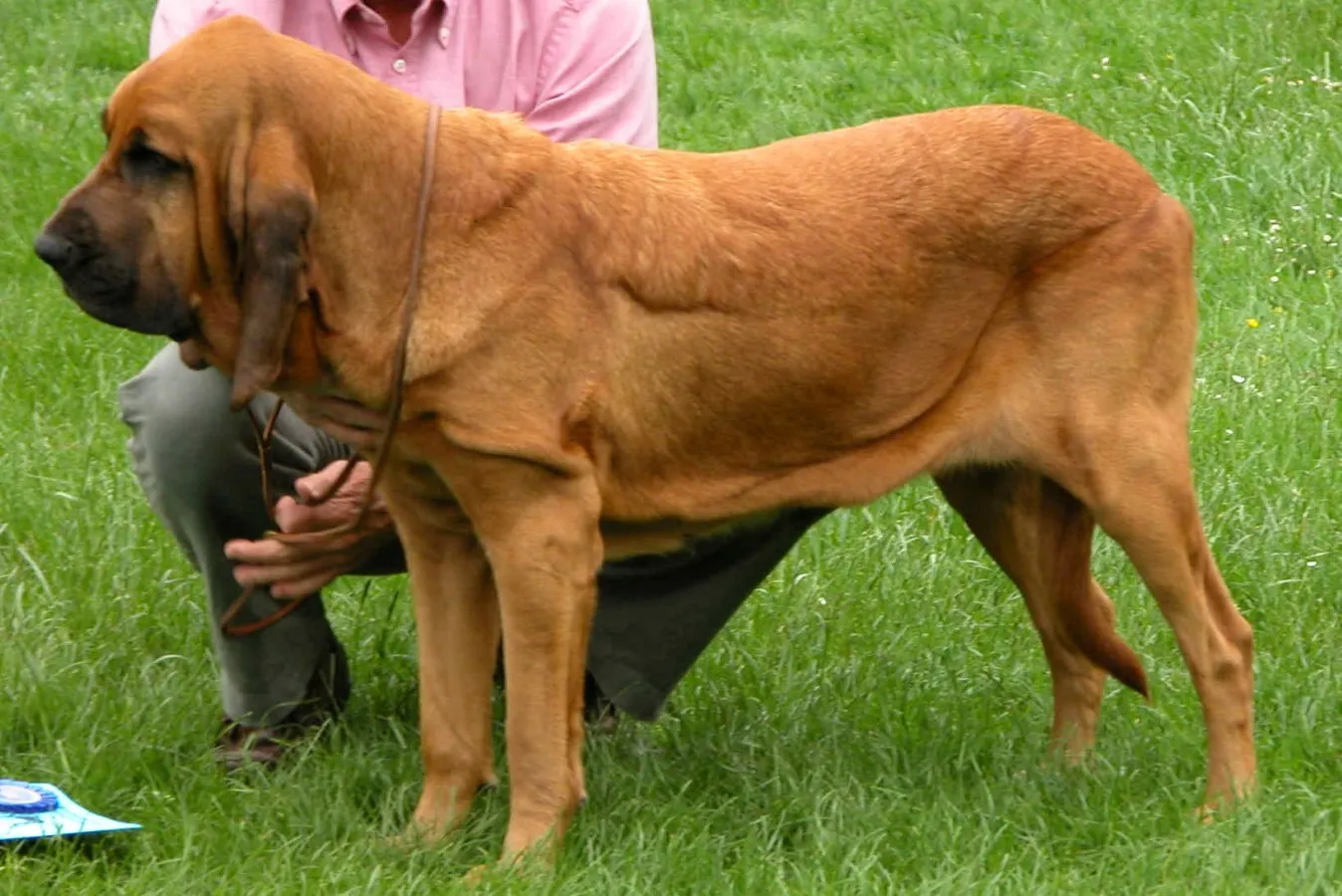
Bloodhounds are famously stubborn and independent, making them challenging to train. Driven by their powerful scent instinct, they require extreme patience, high-value rewards, and consistent leadership. Success involves short, positive sessions and early socialization. While housebreaking and recall can be difficult, their loyal nature shines through with dedicated, reward-based guidance.
TRAINABILITY
Very Hard
1 out of 10
MENTAL STIMULATION NEEDS
Above Average
7 out of 10
LOVE FOR GRUB
Eats Everything
10 out of 10
TRAINING FAQ
Are Bloodhounds easy to train?
Very Hard
1 out of 10
Bloodhounds are intelligent but notoriously stubborn and independent, making them challenging to train. Their powerful scent drive often leads to selective hearing, especially when they catch an interesting trail. Success requires extreme patience, consistent leadership, and high-value rewards to keep this determined breed focused on your commands.
Are Bloodhounds stubborn?
Highly Stubborn
1 out of 10
Bloodhounds are famously stubborn and independent, often prioritizing their powerful scent drive over human commands. This willful nature requires extreme patience and high-value, smelly rewards. To succeed, keep training sessions short and use positive reinforcement, as they are sensitive and may shut down if treated harshly.
How to train a Bloodhound puppy?
Needs Patience
1 out of 10
Train your Bloodhound puppy using short, 15-minute sessions focused on positive reinforcement and high-value treats like meat. Because they are scent-driven and independent, prioritize early socialization and consistent commands. Exercise extreme patience, as their tracking instinct often overrides obedience, and use a long-line leash to ensure safety.
How difficult is to potty train a Bloodhound puppy?
Very Difficult
1 out of 10
Potty training a Bloodhound typically takes 6 to 8 months, as their physical development often lags behind their rapid growth. Success requires extreme patience, a rigid schedule, and positive reinforcement. Many owners find it “clicks” suddenly around six months once they gain better bladder control.
How many walks does a Bloodhound need?
Very High
9 out of 10
Bloodhounds are high-energy scent hounds requiring at least two hours of exercise daily. This should be split into several long, brisk walks where they can investigate scents. Due to their tracking instincts, always keep them on a leash or in a securely fenced area to prevent wandering.
What is the best daily routine for a Bloodhound?
Extreme Needs
10 out of 10
A Bloodhound’s daily routine should focus on scent-based exercise and consistent hygiene. Provide one to two hours of physical activity daily, including long walks on a sturdy leash and interactive scent games to engage their powerful nose. Feed adults two meals daily and puppies three to four times to maintain health and prevent bloat. Essential daily care includes cleaning facial wrinkles, skin folds, and ears to manage drool and prevent infections. Maintain consistency with short training sessions using positive reinforcement, and ensure they are always supervised or securely fenced to prevent them from wandering off after a scent.
VET INSIGHTS
Bloodhounds are intelligent but notoriously stubborn and independent, making training a significant challenge. Their powerful scent drive often leads to selective hearing, requiring extreme patience and high-value rewards. This high-energy breed needs at least two hours of daily scent-based exercise. Essential care includes managing housebreaking difficulties and consistent hygiene for their iconic facial wrinkles and ears.

Reviewed by
Dr. Vojtech Gabriel
DVM · PhD · MBA
Veterinarian
Researcher
Dog breed specialist
✓
Verified