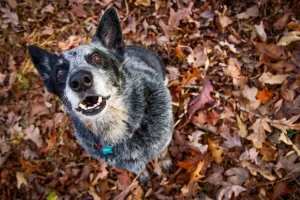
Catahoula Leopard Dog Personality Profile
Catahoula Leopard Dogs are highly intelligent, independent, and fiercely loyal working dogs. While affectionate and protective with their families, they are often wary of strangers and possess a strong prey drive. These assertive, high-energy companions thrive with a clear job, consistent leadership, and ample physical exercise to prevent destructive behaviors.
FRIENDLINESS
Neutral
5 out of 10
ATTACHMENT
Reserved
3 out of 10
PLAYFULNESS
Average
5 out of 10
TEMPERAMENT FAQ
Are Catahoula Leopard Dogs smart?
Highly Intelligent
9 out of 10
Catahoula Leopard Dogs are incredibly smart, versatile, and driven working dogs. Bred for herding and hunting, they possess strong problem-solving skills. However, they are highly independent and assertive, requiring a confident, experienced owner who provides firm, consistent training and a clear job.

Do Catahoula Leopard Dogs like to cuddle?
Average
5 out of 10
While fiercely loyal to their families, Catahoulas are serious working dogs. They show affection and form deep bonds with their owners, but they are often more focused on their environment than on being constant lap dogs or seeking endless cuddles.

Do Catahoula Leopard Dogs get separation anxiety?
Attached
4 out of 10
They thrive on having a purpose and being active. If left alone for extended periods without adequate physical exercise and mental stimulation, they can become bored and highly destructive. They do best in active households where they are engaged daily.
Do Catahoula Leopard Dogs bark a lot?
Occasional
6 out of 10
Catahoulas are alert and make excellent watchdogs, readily barking to announce visitors or unusual activity. While they are not typically nuisance barkers, their protective instincts mean they will be vocal when they feel it is necessary to warn their family.
Are Catahoula Leopard Dogs protective?
Vigilant
3 out of 10
They are naturally protective and highly territorial. Catahoulas are inherently suspicious of strangers and will courageously defend their family and property. Extensive early socialization is absolutely critical to ensure their guarding instincts remain balanced and they don’t become overly aggressive.
VET INSIGHTS
They thrive on having a purpose and being active. If left alone for extended periods without adequate physical exercise and mental stimulation, they can become bored and highly destructive. They do best in active households where they are engaged daily.

Reviewed by
Dr. Vojtech Gabriel
DVM · PhD · MBA
Veterinarian
Researcher
Dog breed specialist
✓
Verified