Skip to content

Harrier Training Profile

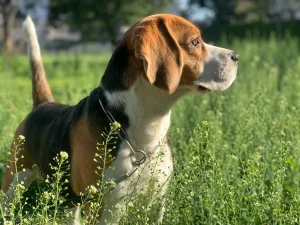
Harriers are intelligent and friendly scent hounds that possess an independent, stubborn streak. They require consistent, patient training using positive reinforcement and food rewards. High energy levels necessitate significant daily exercise to prevent boredom and destructive behaviors. Always keep them leashed or in a securely fenced area to manage their powerful hunting instincts.

TRAINABILITY

Stubborn

3 out of 10

MENTAL STIMULATION NEEDS

Above Average

7 out of 10

LOVE FOR GRUB

Good Eater

7 out of 10

TRAINING FAQ

Are Harriers easy to train?

Independent

4 out of 10

Harriers are highly intelligent and can be trained relatively easily, though their independent scent-hound nature can sometimes manifest as stubbornness. They are exceptionally food-motivated and respond best to consistent, patient training sessions filled with positive reinforcement and high-value treats. Early socialization and firm leadership are key to managing their self-willed tendencies and strong hunting instincts.

Somewhat Stubborn

4 out of 10

Harriers are intelligent yet independent scent hounds that often prioritize their noses over commands. Their strong-willed nature and centuries of breeding for independent pack hunting can manifest as stubbornness, especially if they find training repetitive or uninteresting. To succeed, owners must use consistent leadership, positive reinforcement, and high-value food rewards to keep them engaged and prevent their instincts from taking over.

Below Average

4 out of 10

Train your Harrier puppy using gentle yet firm leadership and positive reinforcement, such as treats and praise, to manage their independent and stubborn nature. Focus on early socialization and obedience training to build a strong foundation, keeping sessions engaging and consistent. Because they are scent-driven, it is essential to maintain their focus and always use a leash or a securely fenced area during training.

Demanding

4 out of 10

Potty training a Harrier can be time-consuming and frustrating due to their independent nature and strong scent drive. Success relies on extreme consistency, a rigid schedule, and positive reinforcement to overcome their tendency to get distracted by smells. While they are intelligent, their stubborn streak means housebreaking typically takes several months of patient, focused effort.

Above Average

7 out of 10

Harriers are high-energy pack hounds that require significant daily exercise to stay healthy and happy. Aim for 60 to 90 minutes of activity, including brisk walks, jogs, or hiking. Because of their strong scent drive, always keep them on a leash or within a securely fenced area.

High Needs

8 out of 10

A Harrier’s daily routine should focus on significant physical exercise and scent-based mental stimulation to manage their high-energy pack hound instincts. Provide 60 to 90 minutes of vigorous activity, such as brisk walks, jogs, or hiking, ideally split into two sessions; always keep them on a leash or in a securely fenced area due to their strong prey drive. Feed adult Harriers twice daily with high-quality, protein-rich food, monitoring portions to prevent weight gain. Incorporate short, 5-10 minute training sessions using positive reinforcement and provide puzzle toys or scent games to keep their sharp minds engaged and prevent boredom-related behaviors. Regular weekly brushing and ear checks are also essential to maintain their overall health and hygiene.


VET INSIGHTS

Harriers are intelligent yet independent scent hounds, necessitating patient training with positive reinforcement and high-value rewards. This high-energy breed requires significant daily exercise, such as brisk walks or hiking, to prevent boredom. Housebreaking can be demanding due to their scent-driven distractions. Their routine emphasizes mental stimulation and consistent leadership, making them rewarding companions for active owners.

Photo
Reviewed by
Dr. Vojtech Gabriel
DVM · PhD · MBA
Veterinarian Researcher Dog breed specialist
Verified

Explore Other Breed TRAINING PROFILES