Skip to content

Harrier Personality Profile

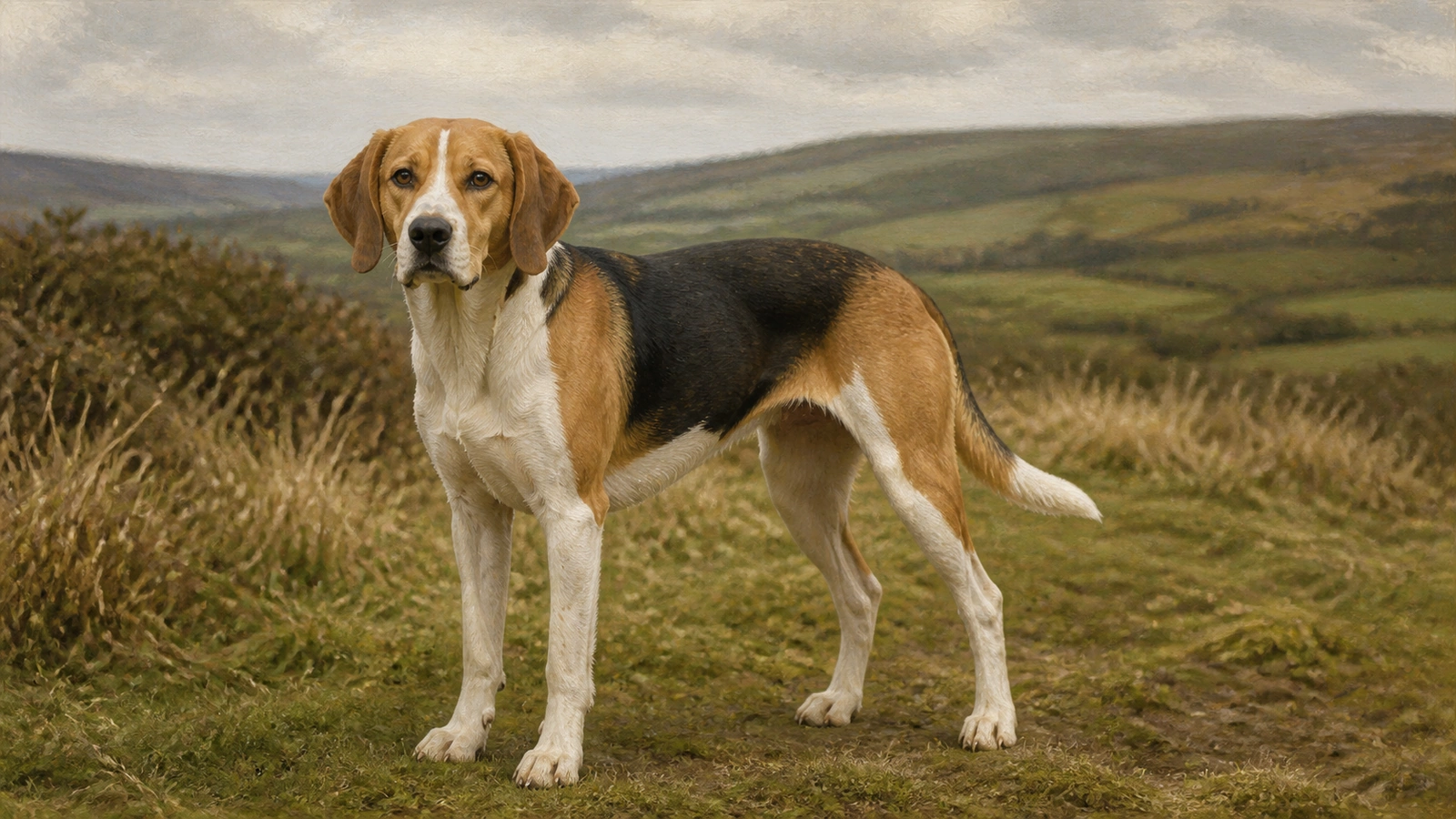
Harriers are intelligent, friendly, and outgoing pack hounds that thrive on social companionship. These medium-sized dogs form strong family bonds and are exceptionally gentle with children and other canines. While independent and determined when following a scent, their affectionate nature and playful spirit make them devoted, high-energy companions for active households.
FRIENDLINESS

Very Accepting

8 out of 10

ATTACHMENT

Affectionate

7 out of 10

PLAYFULNESS

Average

5 out of 10

TEMPERAMENT FAQ

Are Harriers smart?

Smart

7 out of 10

Harriers are intelligent scenthounds with a keen mind for tracking. While smart and adaptable, their independent nature and strong prey drive can make them a challenge for some. They respond best to consistent training and positive reinforcement, requiring mental stimulation to stay engaged and prevent boredom.

Moderately Cuddly

6 out of 10

Harriers are deeply loyal and affectionate dogs that enjoy relaxing and cuddling with their families indoors after a long day of activity. They crave human contact and bond closely with their pack.

Anxious

8 out of 10

Harriers are highly social pack animals that thrive on companionship and can suffer from separation anxiety if left alone for long periods. They crave human interaction and bond closely with their families. To prevent destructive behaviors, they should not be kept as outside-only dogs.



Vocal

7 out of 10

Like most scenthounds, Harriers are naturally vocal. They use their distinct bay or bark to communicate while tracking, and may vocalize at home if bored or to alert you to strangers.

Welcoming

2 out of 10

Harriers are outgoing and friendly pack hounds that generally lack strong protective or territorial instincts. While they are alert and may vocalize to announce visitors, their social nature makes them more likely to welcome strangers than guard against them. They thrive on companionship rather than guarding duties.

VET INSIGHTS

Harriers are highly social pack animals that thrive on companionship and can suffer from separation anxiety if left alone for long periods. They crave human interaction and bond closely with their families. To prevent destructive behaviors, they should not be kept as outside-only dogs.

Photo
Reviewed by
Dr. Vojtech Gabriel
DVM · PhD · MBA
Veterinarian Researcher Dog breed specialist
Verified

Explore Other Breed Personalities