Skip to content

Lhasa Apso Training Profile

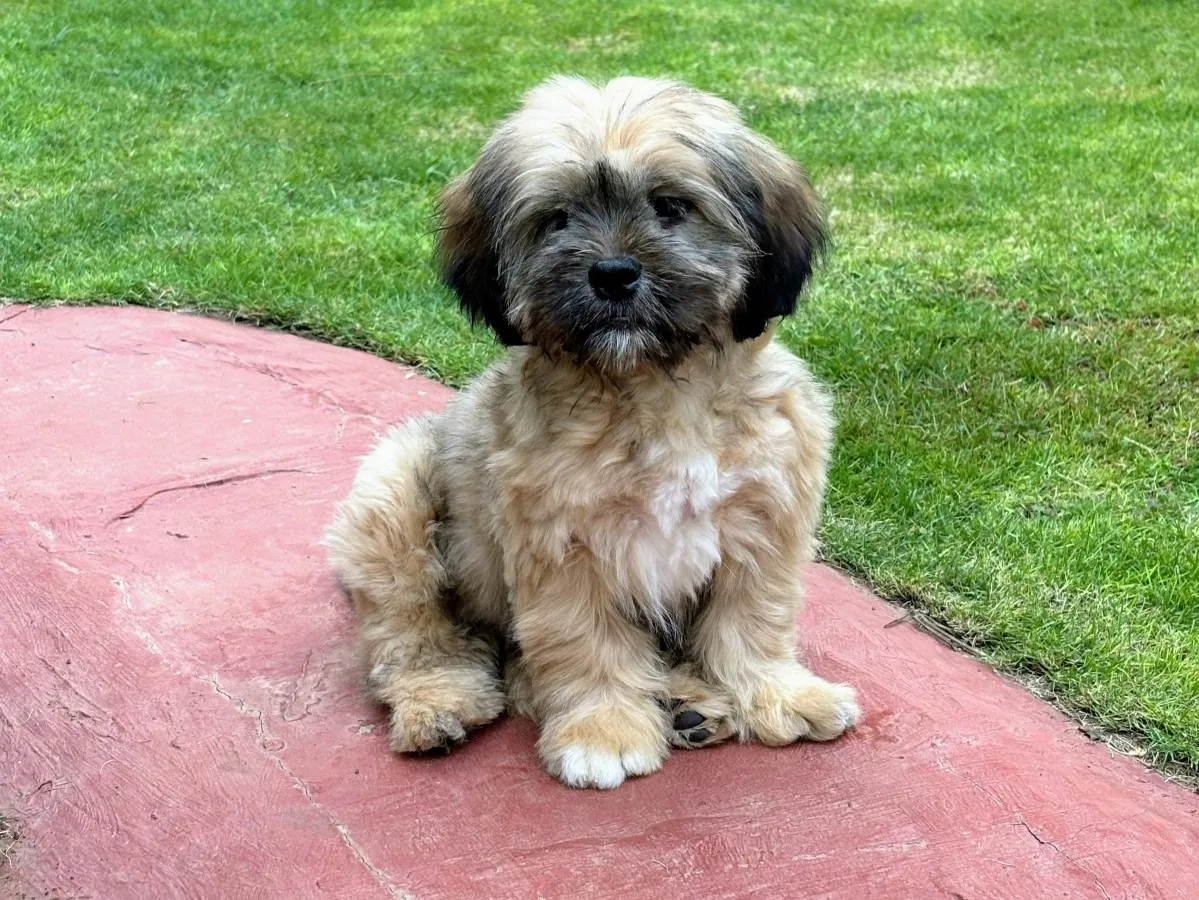
Lhasa Apsos are intelligent but notoriously independent, often displaying a stubborn, cat-like personality. They require firm, consistent, and patient training using positive reinforcement and high-value rewards. Early socialization and a strict routine are essential, especially for potty training, which can be very difficult. Keep sessions short and engaging to prevent boredom in this willful breed.
TRAINABILITY

Hard

2 out of 10

MENTAL STIMULATION NEEDS

Very Low

1 out of 10

LOVE FOR GRUB

Picky Eater

3 out of 10

TRAINING FAQ

Are Lhasa Apsos easy to train?

Very Hard

1 out of 10

Train Lhasa Apso puppies using firm, consistent, and positive reinforcement. Start socialization early to manage their independent nature and wariness of strangers. Focus on basic commands and grooming handling during short, engaging sessions. Use high-value treats to motivate these intelligent but willful thinkers.

Highly Stubborn

1 out of 10

Lhasa Apsos are famously independent and stubborn, often exhibiting a cat-like personality. Originally bred as sentinels, they are intelligent thinkers who may ignore commands if they see no benefit. Successful training requires immense patience, consistent leadership, and high-value rewards to motivate their regal and self-willed nature.

Needs Patience

1 out of 10

Train Lhasa Apso puppies using firm, consistent, and positive reinforcement. Start socialization early to manage their independent nature and wariness of strangers. Focus on basic commands and grooming handling during short, engaging sessions. Use high-value treats to motivate these intelligent but willful thinkers.

Very Difficult

1 out of 10

Potty training a Lhasa Apso typically takes several months, with full reliability often achieved between 6 to 12 months. Their independent and stubborn nature requires extreme consistency, a strict routine, and crate training. Success depends on patience, frequent outdoor breaks, and using lavish praise to overcome their headstrong tendencies.

Extreme Needs

10 out of 10

The ideal routine for a Lhasa Apso centers on companionship and consistency. Start with a short morning walk and breakfast, followed by dedicated time for daily brushing to manage their long coat. Incorporate midday puzzle toys for mental stimulation and finish with gentle evening play or neighborhood walks.

Almost None

1 out of 10

A Lhasa Apso’s daily routine should focus on consistent grooming and moderate activity. Provide at least 30 minutes of exercise through two or three short walks or indoor play like fetch. Feed adults twice daily and puppies three to four times to maintain a healthy weight and prevent hypoglycemia. Essential daily care includes brushing their long coat to prevent matting, wiping their eyes to avoid irritation, and brushing their teeth to prevent dental disease. Because they can be stubborn, keep training sessions short and positive, and use ramps to prevent them from jumping off furniture to protect their spine.

VET INSIGHTS

Lhasa Apsos are intelligent but independent companions, often displaying a stubborn, cat-like personality. Training requires immense patience and positive reinforcement, as housebreaking is notably challenging. Their daily routine emphasizes consistent grooming to manage their long coat and moderate exercise through short walks. To ensure health, prioritize spinal protection, regular dental care, and managed feeding schedules.

Photo
Reviewed by
Dr. Vojtech Gabriel
DVM · PhD · MBA
Veterinarian Researcher Dog breed specialist
Verified

Explore Other Breed TRAINING PROFILES