Parson Russell Terrier Personality Profile
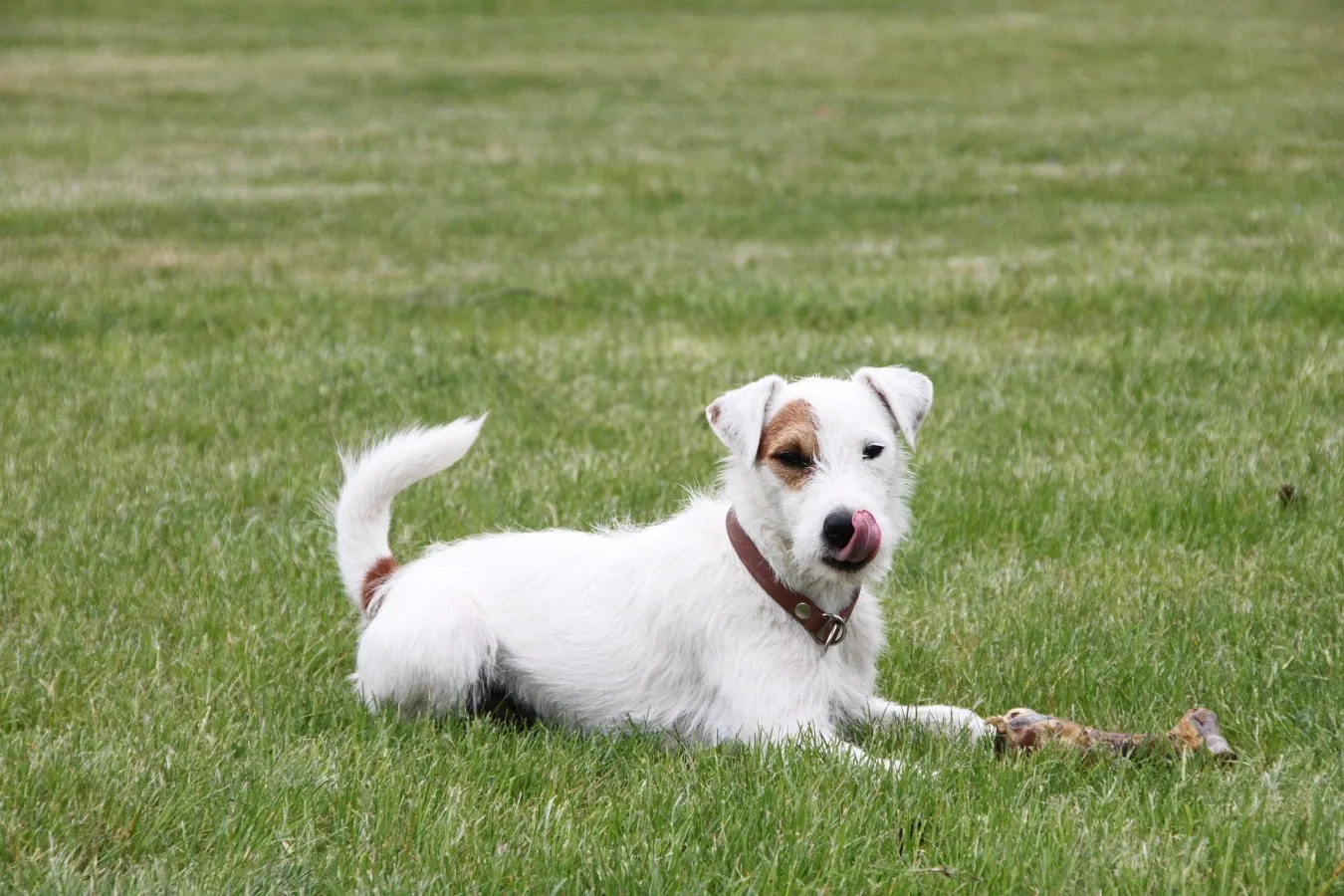
Parson Russell Terriers are bold, energetic, and highly intelligent companions. Known for their playful and outgoing nature, they form strong bonds with their families and thrive on human interaction. While affectionate and loyal, their independent spirit and high prey drive require consistent training and plenty of physical exercise to prevent boredom and mischief.
FRIENDLINESS
Approaching
6 out of 10
ATTACHMENT
Friendly
6 out of 10
PLAYFULNESS
Highly Playful
9 out of 10
TEMPERAMENT FAQ
Are Parson Russell Terriers smart?
Smart
7 out of 10
Parson Russell Terriers are highly intelligent and energetic dogs. They learn quickly but have an independent spirit, requiring consistent training and mental stimulation to prevent boredom.
Do Parson Russell Terriers like to cuddle?
Moderately Cuddly
6 out of 10
These terriers are affectionate and loyal to their families. While they are highly active and playful, they also enjoy spending quality time and cuddling with their owners after a long day.
Do Parson Russell Terriers get separation anxiety?
Balanced
6 out of 10
Parson Russell Terriers form strong bonds with their families and thrive on human interaction. They can develop separation anxiety if left alone for long periods without adequate exercise and mental engagement.
Do Parson Russell Terriers bark a lot?
Highly Vocal
9 out of 10
They are alert and vocal dogs that will readily bark to announce visitors or express excitement. Their high energy and terrier instincts make them prone to barking if not properly trained.
Are Parson Russell Terriers protective?
Watchful
6 out of 10
Parson Russell Terriers are alert, bold, and possess natural territorial instincts. While they make vigilant watchdogs that loudly announce visitors, they are generally friendly and welcoming once a stranger is introduced. They may be territorial with other dogs, especially of the same sex, requiring proper socialization.
VET INSIGHTS
Parson Russell Terriers form strong bonds with their families and thrive on human interaction. They can develop separation anxiety if left alone for long periods without adequate exercise and mental engagement.

Reviewed by
Dr. Vojtech Gabriel
DVM · PhD · MBA
Veterinarian
Researcher
Dog breed specialist
✓
Verified