Barbet Grooming Profile
COAT TYPE
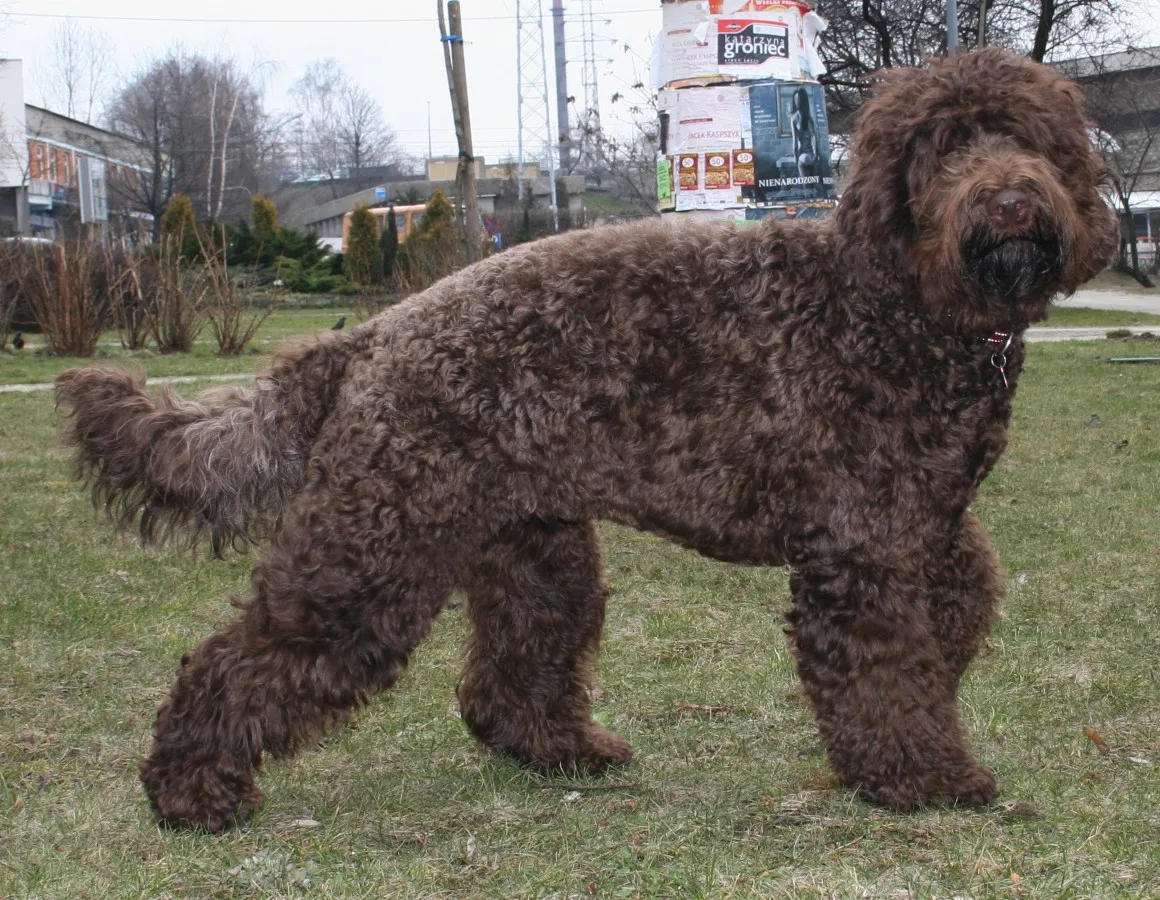
Curly/Wavy
SHEDDING
Low
GROOMING SKILL
High
TRAINING FAQ
Are Barbets hypoallergenic?
Worst Choice
Barbets are often considered hypoallergenic. They have a dense, curly coat made of hair rather than fur, which sheds very minimally and traps dander. This makes them a suitable choice for many allergy sufferers, though regular grooming is essential.

Do Barbets shed a lot?
Minimal
Barbets are very low shedders. Their curly, woolly coat traps loose hair rather than dropping it around the house. However, this means the coat easily forms mats and tangles if not brushed regularly, requiring consistent grooming maintenance.
How often should you groom your Barbet?
1.5 hours/week
Plan on about 1.5 hours of grooming a week for a Barbet. Brush their curly coat several times weekly to prevent mats, with occasional baths and regular nail trims rounding out the routine.
Are Barbets low maintenance dogs?
Hard
Barbets are high-maintenance dogs. While they shed very little, their curly coat requires extensive and frequent grooming to prevent painful mats. They are also energetic water dogs that need significant daily exercise and mental stimulation to stay happy.
How big do Barbets get?
Medium-to-Large
Barbets are medium-to-large, sturdy, and athletic dogs. They typically weigh 35 to 65 pounds and stand 19 to 24.5 inches tall. They have a well-proportioned, robust build suited for retrieving in water.
When do Barbets usually stop growing?
12-15 months
Barbets typically reach their full adult height by 12 to 15 months of age. However, they may continue to fill out, gain muscle mass, and fully develop their dense, curly adult coat until they are about two years old.
How much should a Barbet eat?
4-5 cups
Adult Barbets typically need 4 to 5 cups of high-quality food daily, split into two meals, to fuel their active lifestyle. Adjust portions for age, weight, and activity level to avoid obesity.
How often should a Barbet eat?
3-4 meals/day
Barbet puppies should be fed three to four small meals a day to fuel their growth and energy. Use a high-quality puppy formula and gradually transition to two meals a day around 6 months of age.