Border Husky Training Profile
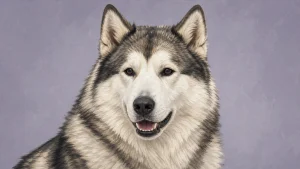
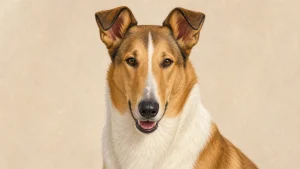
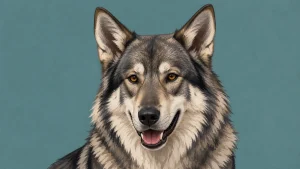
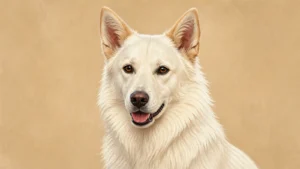
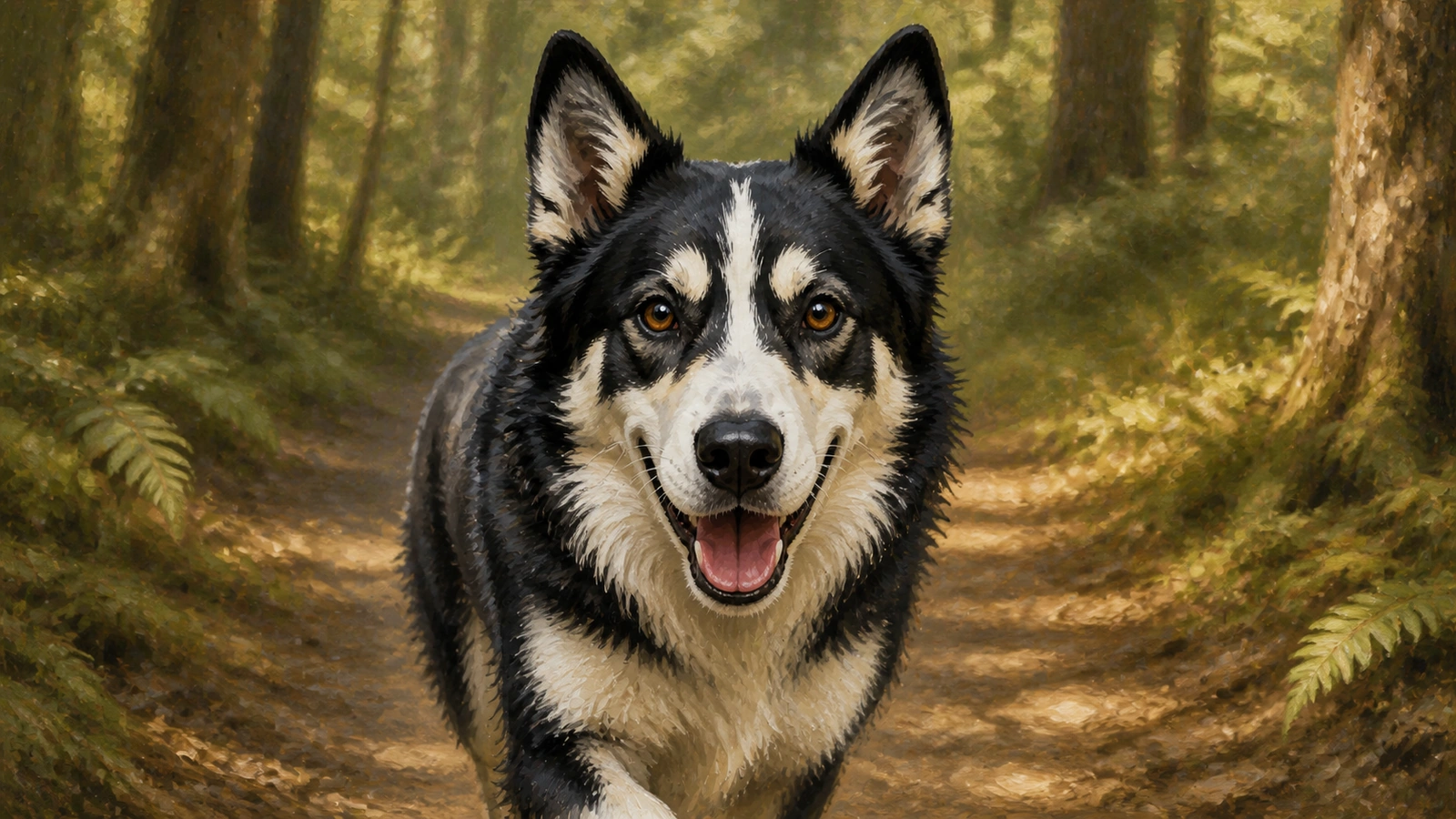
Border Huskies are highly intelligent, energetic, and eager to please, though they may display an occasional stubborn streak. They require significant mental stimulation and daily physical exercise to prevent destructive behaviors. Success depends on consistent, positive reinforcement, early socialization, and structured routines to manage their strong work drive and athletic nature.
TRAINABILITY
Average
5 out of 10
MENTAL STIMULATION NEEDS
Very High
9 out of 10
LOVE FOR GRUB
Great Eater
8 out of 10
TRAINING FAQ
Are Border Huskies easy to train?
Average
5 out of 10
Border Huskies are moderately easy to train, balancing the Border Collie’s intelligence and eagerness to please with the Siberian Husky’s independent and stubborn nature. They respond best to consistent, positive reinforcement using high-value rewards and varied, engaging sessions to prevent boredom. Early socialization and firm leadership are essential to manage their high energy and potential for selective hearing.
Are Border Huskies stubborn?
Sometimes Stubborn
5 out of 10
Border Huskies are generally intelligent and eager to learn, but they can inherit a stubborn streak from their Siberian Husky lineage. They often operate on a transactional basis, assessing commands to determine if the effort is worth the reward. To overcome their independent nature, owners should use high-value treats, maintain consistent rules, and keep training sessions short and engaging to prevent boredom-driven defiance.
How to train a Border Husky puppy?
Moderate
5 out of 10
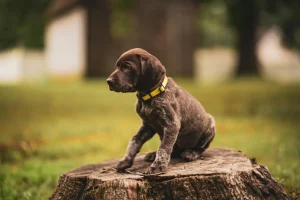
Train Border Husky puppies with a focus on high-value rewards and variety to manage their intelligence and potential for boredom. Prioritize early socialization to curb herding instincts and establish a consistent routine for obedience and potty training. Use positive reinforcement and keep sessions short and engaging, incorporating long-leash training for safe recall practice. To prevent destructive behavior, ensure their daily schedule includes ample physical exercise and mental challenges like puzzle toys or scent games.
How difficult is to potty train a Border Husky puppy?
Average
6 out of 10
Potty training a Border Husky typically takes 4 to 6 months, though it can take up to a year to reach full reliability. This mix combines the Border Collie’s intelligence with the Husky’s independent streak, requiring a rigid schedule, crate training, and high-value rewards. Success depends on consistency, close supervision to catch signals like circling or sniffing, and using enzymatic cleaners to prevent repeat accidents in the same indoor spots.
How many walks does a Border Husky need?
Extreme Needs
10 out of 10
Border Huskies are high-energy dogs that typically require at least 1 to 2 hours of vigorous exercise daily. As a cross between two athletic working breeds, they thrive on activities like long walks, runs, hiking, or dog sports such as agility to satisfy their physical and mental needs. Without sufficient activity, they may develop restless or destructive behaviors.
What is the best daily routine for a Border Husky?
Very High
9 out of 10
A Border Husky’s daily routine should focus on high-intensity physical activity and substantial mental engagement to satisfy their intelligent, working-dog heritage. Provide at least two hours of exercise daily, including brisk walks, hiking, or running, supplemented by “jobs” like herding games or agility drills. Feed a high-protein diet twice daily to maintain muscle mass and monitor intake carefully. Essential daily care includes multiple short training sessions, the use of puzzle feeders or scent work to prevent boredom, and regular brushing several times a week to manage their thick double coat.
VET INSIGHTS
Border Huskies are highly intelligent, energetic dogs requiring at least two hours of daily vigorous exercise and significant mental engagement. While trainable, they inherit a stubborn streak, necessitating consistent positive reinforcement and firm leadership. Early socialization is vital for managing herding instincts, while structured routines and regular grooming help maintain this athletic breed’s overall health and well-being.

Reviewed by
Dr. Vojtech Gabriel
DVM · PhD · MBA
Veterinarian
Researcher
Dog breed specialist
✓
Verified