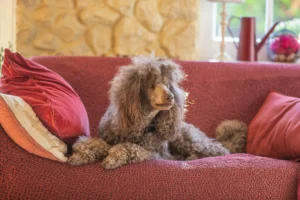
Cockapoo Personality Profile
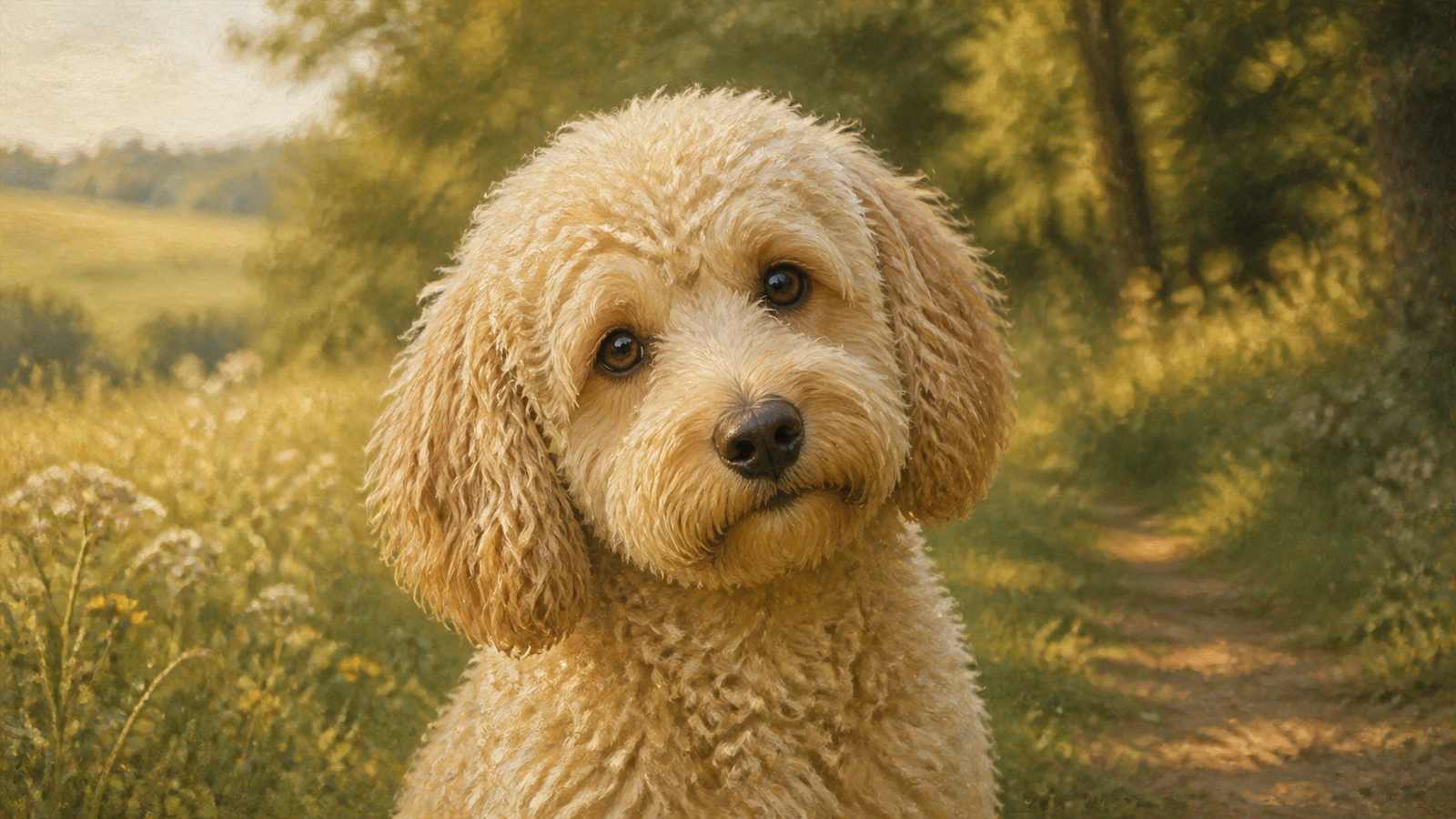
Cockapoos are exceptionally friendly, intelligent, and affectionate companions known for their cheerful zest for life. These “Velcro dogs” thrive on human interaction and love to cuddle, though their deep devotion can lead to separation anxiety. Highly playful and eager to please, they are gentle with children and adapt well to various family lifestyles.
FRIENDLINESS
Highly Friendly
9 out of 10
ATTACHMENT
Clingy
9 out of 10
PLAYFULNESS
Highly Playful
9 out of 10
TEMPERAMENT FAQ
Are Cockapoos smart?
Average
5 out of 10
Cockapoos are sharp, quick learners thanks to their Poodle heritage, and they’re eager to please on top of it. Positive reinforcement and mental games like puzzle toys keep their smart, active minds satisfied.
Do Cockapoos like to cuddle?
Highly Cuddly
9 out of 10
Cockapoos are true velcro dogs who love physical affection, often following their owners from room to room and angling for lap time. Their devotion is sweet, but it’s also the flip side of their separation-anxiety tendencies.

Do Cockapoos get separation anxiety?
Very Clingy
2 out of 10
Cockapoos form intense bonds with their families and are genuinely prone to separation anxiety when left alone for long stretches. Gradual alone-time training and consistent routines go a long way toward easing their distress.


Do Cockapoos bark a lot?
Moderate
4 out of 10
Cockapoos bark at a moderate level, often to greet visitors or express excitement rather than out of any guarding instinct. Boredom or prolonged alone time can ramp up the barking, so daily engagement helps keep it in check.
Are Cockapoos protective?
Protective
2 out of 10
Cockapoos are generally friendly and social, but they can inherit territorial or protective instincts from their Poodle and Spaniel ancestors. Resource guarding of toys, food, or favorite people is a common challenge. Early socialization and consistent training are essential to manage these behaviors and ensure a well-adjusted family companion.
VET INSIGHTS
Cockapoos form intense bonds with their families and are genuinely prone to separation anxiety when left alone for long stretches. Gradual alone-time training and consistent routines go a long way toward easing their distress.

Reviewed by
Dr. Vojtech Gabriel
DVM · PhD · MBA
Veterinarian
Researcher
Dog breed specialist
✓
Verified