Otterhound Training Profile
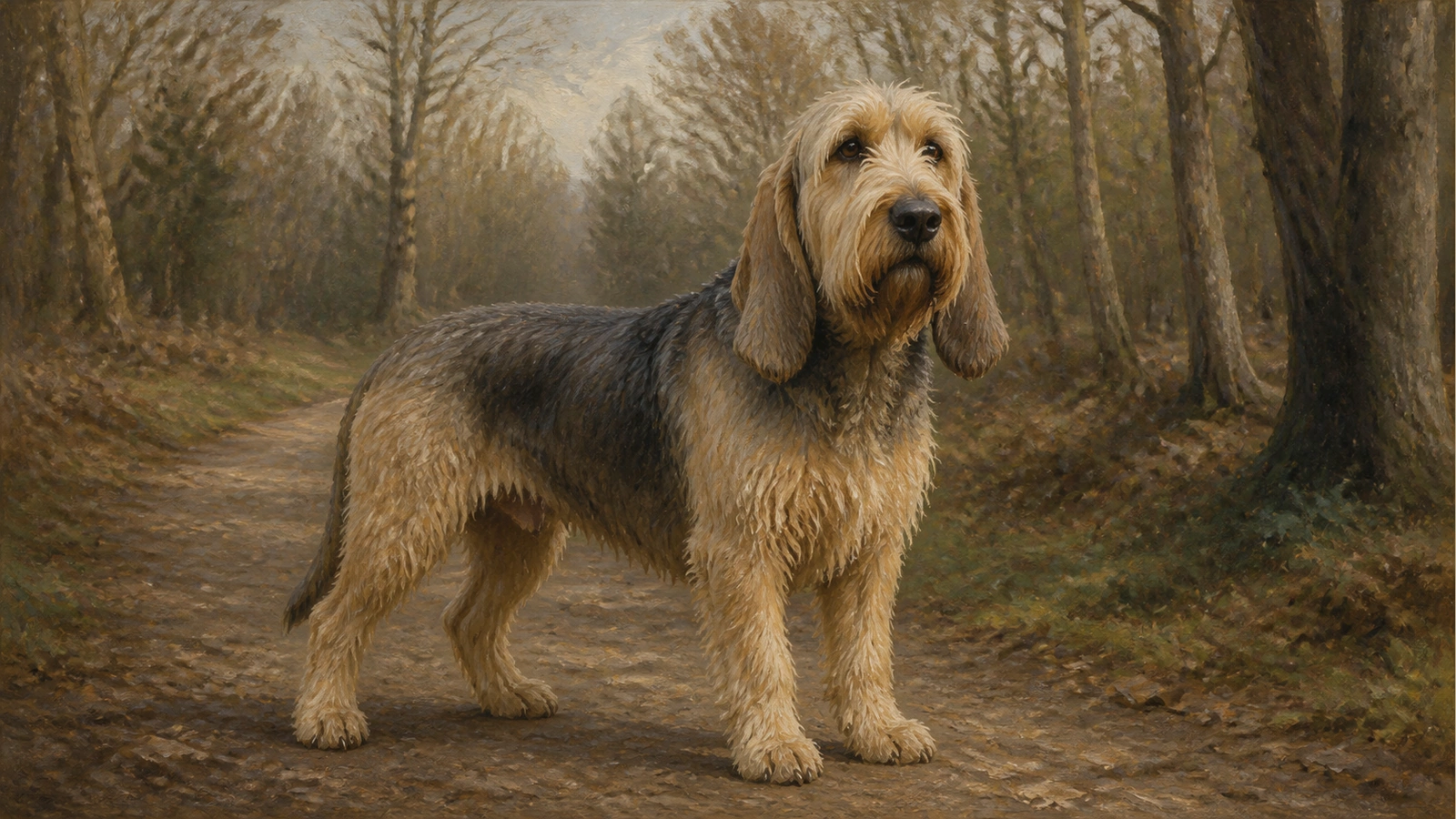
Otterhounds are intelligent but independent scent hounds that require patient, consistent training with positive reinforcement. Known for their stubborn streak and strong tracking instincts, they respond best to short, engaging sessions. Early socialization and leash training are essential for these large, boisterous dogs, who also need significant daily exercise and mental stimulation.
TRAINABILITY
Stubborn
3 out of 10
MENTAL STIMULATION NEEDS
Above Average
7 out of 10
LOVE FOR GRUB
Moderate
5 out of 10
TRAINING FAQ
Are Otterhounds easy to train?
Independent
4 out of 10
Otterhounds are intelligent and friendly, but they are independent thinkers with a notable stubborn streak. While they are affectionate family companions, their scent hound heritage can make them easily distracted by smells, requiring a patient and consistent approach to training. They respond best to positive reinforcement and short, engaging sessions that account for their independent nature.
Are Otterhounds stubborn?
Somewhat Stubborn
4 out of 10
Otterhounds are intelligent but independent thinkers with a notable stubborn streak, often prioritizing scent trails over owner commands. They are not among the most responsive breeds and can become willful, requiring a “soft but consistent” hand. To succeed, owners must use positive reinforcement with high-value rewards and keep training sessions short and fun to prevent them from losing interest or shutting down.
How to train a Otterhound puppy?
Below Average
4 out of 10
Train your Otterhound puppy using positive reinforcement and high-value treats to manage their independent, scent-driven nature. Start early with crate training, socialization, and leash etiquette, as they grow quickly and can be quite strong. Use short, consistent sessions and maintain a firm yet gentle “iron fist in a velvet glove” approach to overcome their willful streak and potential for selective hearing when they catch a scent. Focus on basic obedience and consider activities like tracking or nose work to channel their natural instincts.
How difficult is to potty train a Otterhound puppy?
Demanding
4 out of 10
Potty training an Otterhound can be demanding and often takes longer than other breeds due to their independent and easily distracted nature. Success requires extreme patience, a consistent schedule, and positive reinforcement with food rewards. Because they can be willful, establishing a rigid routine and using crate training are essential to helping them understand the concept of house-training.
How many walks does a Otterhound need?
Very High
9 out of 10
Otterhounds are high-energy dogs that require significant daily activity, typically needing between 1.5 to 2 hours of exercise. They thrive on variety, enjoying long walks, swimming, and scent-based activities that provide both physical exertion and mental stimulation. Because they are scent hounds, it is essential to keep them on a leash or in a securely fenced area to prevent them from wandering off after a trail.
What is the best daily routine for a Otterhound?
High Needs
8 out of 10
An Otterhound’s daily routine should focus on substantial physical activity and scent-based mental engagement. Provide at least two hours of exercise, ideally through long walks, swimming, or hiking, ensuring they remain leashed due to their strong tracking instincts. Feed adults twice daily with high-quality large-breed formula, using slow-feeders if necessary to prevent bloat. Essential daily care includes wiping their beard after meals and drinking to manage debris, along with weekly ear cleaning and coat brushing at least once or twice a week to prevent matting.
VET INSIGHTS
Otterhounds are intelligent yet independent scent hounds requiring patient, consistent training with positive reinforcement to manage their stubborn streak. They have high exercise needs, requiring significant daily activity like swimming or tracking. Potty training is notably demanding, often taking longer due to their willful nature. Their daily care routine emphasizes substantial physical engagement and managed grooming.


Reviewed by
Dr. Vojtech Gabriel

DVM · PhD · MBA
Veterinarian
Researcher
Dog breed specialist
✓
Verified