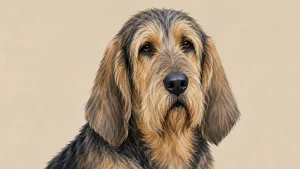
Alpine Dachsbracke Training Profile
Alpine Dachsbrackes are independent and somewhat stubborn, requiring a patient approach to training. While their mental stimulation needs are low, they can be demanding to potty train and show below-average ease during puppyhood. These good eaters thrive with consistent routines, though they have relatively modest exercise requirements and a low-maintenance daily schedule.
TRAINABILITY
Stubborn
3 out of 10
MENTAL STIMULATION NEEDS
Above Average
7 out of 10
LOVE FOR GRUB
Good Eater
7 out of 10
TRAINING FAQ
Are Alpine Dachsbrackes easy to train?
Independent
4 out of 10
Alpine Dachsbrackes are intelligent and capable learners, but their independent nature and strong scent-hound instincts can lead to stubbornness. They respond best to early socialization and consistent, positive reinforcement-based training. To keep them focused, owners should provide short, engaging sessions that manage their natural tendency to prioritize interesting scent trails over commands.
Are Alpine Dachsbrackes stubborn?
Somewhat Stubborn
4 out of 10
Alpine Dachsbrackes are intelligent and cooperative, yet their strong hunting instinct and independent nature can lead to a stubborn streak. They were bred for persistence and determination, which often results in them becoming intensely focused on scents and seemingly “switching off” from their handlers. To succeed, owners must provide calm, consistent leadership and use positive reinforcement, as this breed is sensitive to harsh voices and may shut down if pressured too much.
How to train a Alpine Dachsbracke puppy?
Below Average
4 out of 10
Train your Alpine Dachsbracke puppy using positive reinforcement and short, engaging sessions to maintain focus. Prioritize early socialization and recall commands, as their strong prey drive and scent-following instincts can lead them to wander. Use fair, patient guidance and rewards like treats to build a strong bond while establishing clear expectations for this intelligent, independent breed.
How difficult is to potty train a Alpine Dachsbracke puppy?
Demanding
4 out of 10
Potty training an Alpine Dachsbracke typically takes 4 to 6 months. While intelligent, their independent hunting nature and occasional obstinacy require a consistent, firm schedule and plenty of positive reinforcement. Success relies on frequent outdoor breaks, particularly after meals and play, to manage their scent-driven distractions and ensure they understand the routine.
How many walks does a Alpine Dachsbracke need?
Above Average
7 out of 10
Alpine Dachsbrackes are high-energy scent hounds that require a significant amount of daily activity, typically needing between 60 and 90 minutes of exercise. They thrive on long walks, country hikes, and purposeful “nose work” like tracking games to satisfy their strong hunting instincts. Due to their independent nature and tendency to follow scents, they should be kept on a leash or in a securely fenced area during exercise to prevent them from wandering off.
What is the best daily routine for a Alpine Dachsbracke?
Above Average
7 out of 10
An Alpine Dachsbracke’s daily routine should focus on structured physical activity and scent-based mental stimulation to satisfy their hunting instincts. Provide 60 to 90 minutes of exercise daily, including at least two brisk 30-45 minute walks and dedicated time for tracking games or scent work. Feed adult dogs two to three times daily and puppies three to four times, while monitoring their intake to prevent weight gain on their long frames. Essential care includes weekly brushing of their dense double coat, checking ears and eyes for infection, and conducting short, engaging training sessions using positive reinforcement to manage their independent nature. Ensure they have a secure, fenced area for safe outdoor time and avoid high-impact jumping to protect their spine.
VET INSIGHTS
Alpine Dachsbrackes are independent scent hounds that require patient, positive reinforcement-based training due to their stubborn streak. While their mental stimulation needs are modest, they benefit from daily exercise and scent-tracking activities. Housebreaking can be demanding, but they are generally good eaters. Their care routine emphasizes spinal health and weekly grooming to maintain their double coat.

Reviewed by
Dr. Vojtech Gabriel
DVM · PhD · MBA
Veterinarian
Researcher
Dog breed specialist
✓
Verified