Skip to content

Chipoo Grooming Profile

Moderate grooming for their low-shedding coat is key. Growth typically stops between 6 and 10 months of age.
COAT TYPE

Mixed/Variable

SHEDDING

Low

GROOMING SKILL

Moderate

TRAINING FAQ

Are Chipoos hypoallergenic?
SCORE
0 /10

Good

Chipoo are considered very allergy-friendly. They possess a mixed/variable coat that has low shedding. Their grooming needs are moderate.

SCORE
0 /10

Low

Chipoo have a mixed/variable coat with low shedding. Overall, their shedding level is considered low. Regular grooming is recommended to manage loose hair.

SCORE
0 /10

30 mins/week

Brush your Chipoo's mixed, low-shedding coat once or twice a week to manage loose hair and prevent tangles. Routine ear cleaning and nail trims round out their grooming needs.

SCORE
0 /10

Easy

Chipoos are fairly low-maintenance thanks to their manageable coat, though their small size calls for gentle handling and consistent dental care to prevent crowding-related issues.

SCORE
0 /10

Small

Chipoos are a small hybrid breed, typically standing 5 to 15 inches tall and weighing 5 to 20 pounds depending on which parent breed dominates.

SCORE
0 /10

10-12 months

Chipoos typically reach their full adult height and weight by 10 to 12 months of age, though some may continue filling out slightly longer depending on their Poodle or Chihuahua influence.

SCORE
0 /10

0.5-1.25 cups

Adult Chipoos typically need 0.5 to 1 cup of high-quality dry food daily, split into two meals. Adjust portions based on activity level and keep a close eye on weight, since this small breed gains easily.

SCORE
0 /10

3-4 meals/day

Chipoo puppies should be fed 3 to 4 small meals daily to manage their hypoglycemia risk and support healthy growth. Consult your veterinarian for a specific feeding schedule as they mature.

VET INSIGHTS

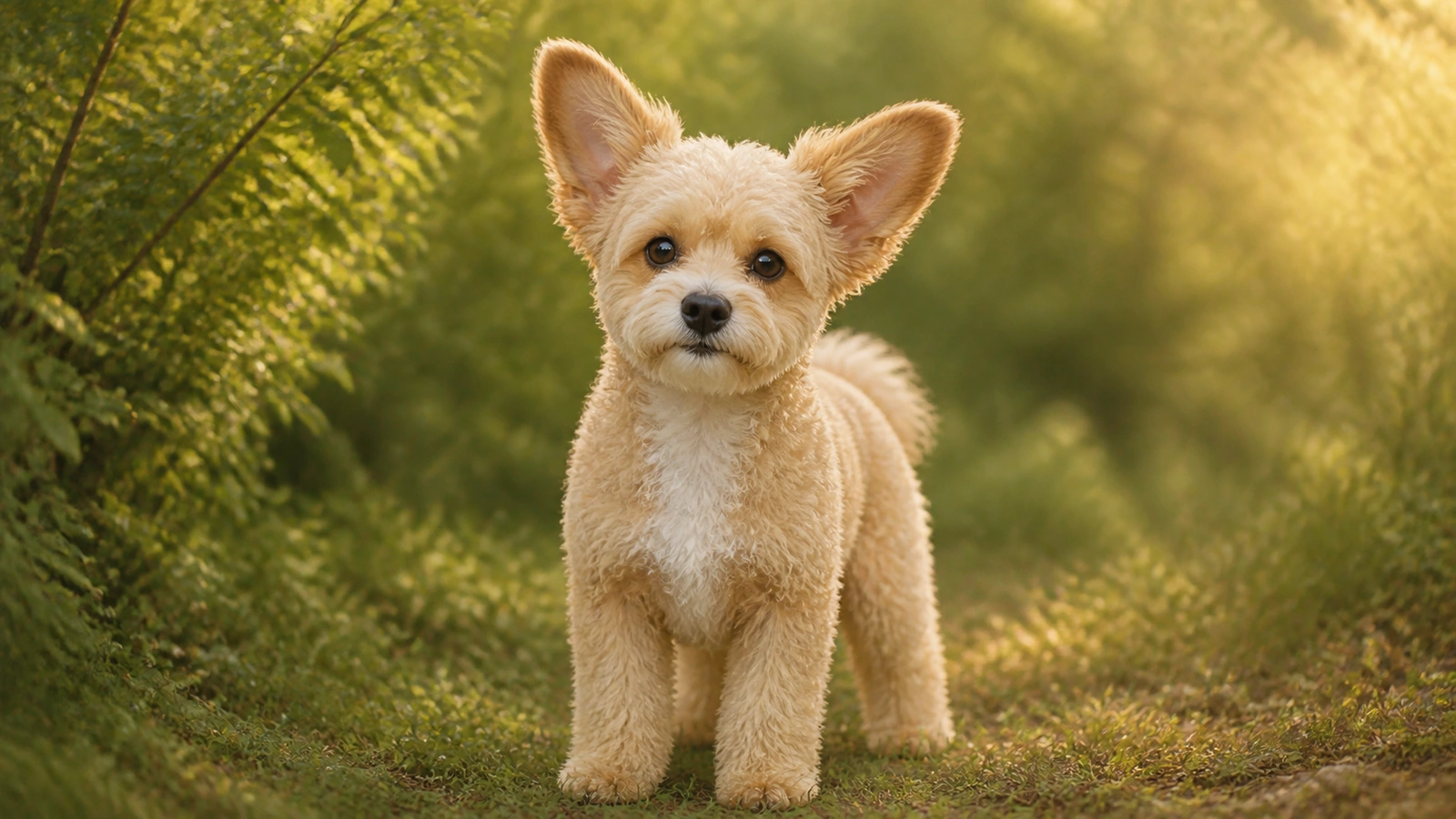
Chipoos are small, energetic companions that reach physical maturity between 6 and 10 months. They possess a low-shedding, allergy-friendly coat requiring moderate weekly grooming. These intelligent dogs thrive on human interaction and adapt well to apartment living. To support their high energy and growth, puppies require frequent daily meals, while adults benefit from high-quality, portion-controlled diets.


Photo
Reviewed by
Dr. Vojtech Gabriel

DVM · PhD · MBA
Veterinarian Researcher Dog breed specialist
Verified

Explore Other Breed GROOMING PROFILES