Komondor Training Profile
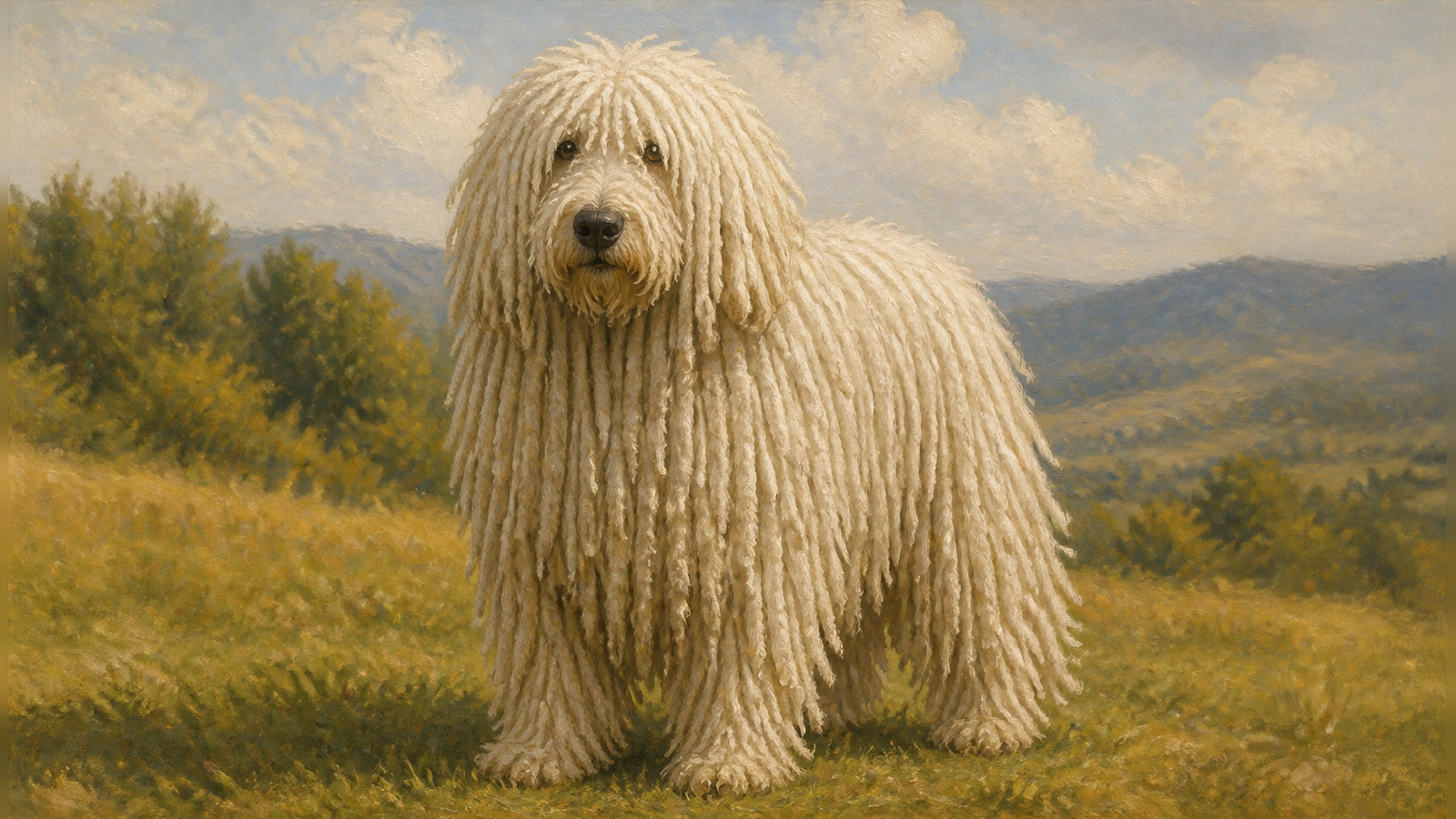
Komondors are intelligent livestock guardians with a strong-willed, independent nature. Successful training requires a confident leader, consistent boundaries, and positive reinforcement to manage their natural stubbornness. While potty training can be demanding, they remain highly motivated by rewards. These dogs thrive with engaging, purposeful training sessions that respect their protective heritage and independent spirit.
TRAINABILITY
Stubborn
3 out of 10
MENTAL STIMULATION NEEDS
Below Average
4 out of 10
LOVE FOR GRUB
Voracious
9 out of 10
TRAINING FAQ
Are Komondors easy to train?
Independent
4 out of 10
Komondors are exceptionally intelligent but possess a strong-willed, independent nature rooted in their history as livestock guardians. They require a confident leader who uses positive reinforcement and consistent boundaries. While they can be stubborn, they are highly motivated by rewards and thrive with engaging, purposeful training.
Are Komondors stubborn?
Somewhat Stubborn
4 out of 10
Komondors are famously independent and stubborn due to their history as autonomous livestock guardians. They are intelligent enough to learn quickly but often choose to ignore commands if they find them repetitive, boring, or lacking a clear benefit. To manage their strong-willed nature, owners must provide firm, consistent leadership using positive reinforcement and high-value rewards, ensuring sessions remain varied and engaging to prevent the dog from making its own decisions.
How to train a Komondor puppy?
Below Average
4 out of 10
Train your Komondor puppy with firm, consistent leadership and positive reinforcement to manage their independent, strong-willed nature. Prioritize early and extensive socialization to prevent overprotectiveness and aggression toward strangers. Keep training sessions short, fun, and purposeful to maintain their interest, focusing on basic commands and establishing clear boundaries. Avoid heavy-handed methods, as this breed responds best to respect and rewards.
How difficult is to potty train a Komondor puppy?
Demanding
4 out of 10
Potty training a Komondor typically takes 4 to 6 months to achieve full reliability. While they are naturally clean dogs and often grasp the concept quickly, their independent and strong-willed nature requires a consistent schedule and patient leadership. Success relies on a rigid routine of frequent outdoor breaks, especially after meals and naps, and using a crate to encourage their instinctual desire to keep their living space clean.
How many walks does a Komondor need?
Above Average
7 out of 10
Komondors require approximately 60 minutes of daily activity to remain fit and healthy. While they can be relatively sedentary and “lazy” when not working, they benefit from a daily brisk walk of about 1.5 miles. Consistent, low-impact exercise is essential to manage their weight and satisfy their independent nature without overtaxing their large frames.


What is the best daily routine for a Komondor?
Moderate
6 out of 10
A Komondor’s daily routine should focus on consistent, moderate physical activity and manual coat maintenance. Provide 45 to 60 minutes of exercise daily, split into two brisk walks and supplemented with a “job” like guarding a yard or playing scent-based games to prevent boredom. Feed adult Komondors a high-quality protein diet twice daily while monitoring for bloat by avoiding heavy exercise immediately after meals. Crucially, dedicate 30-45 minutes twice weekly to manually separate their cords by hand and check for debris to maintain their unique coat and skin health. Establish firm, consistent leadership and include short training sessions using positive reinforcement to manage their independent and protective nature.
VET INSIGHTS
Komondors are intelligent, independent livestock guardians requiring confident leadership and consistent positive reinforcement. While their unique corded coat needs specialized manual maintenance, their exercise needs are moderate, typically involving brisk daily walks. Potty training demands patience due to their strong-willed nature. Early socialization is essential to manage their protective instincts and ensure a well-adjusted, loyal companion.

Reviewed by
Dr. Vojtech Gabriel
DVM · PhD · MBA
Veterinarian
Researcher
Dog breed specialist
✓
Verified