Skip to content

Grand Bleu de Gascogne Grooming Profile

Weekly brushing manages moderate shedding. These large hounds mature by age two, continuing to fill out until physical maturity at age three.
COAT TYPE

Smooth/Short

SHEDDING

Moderate

GROOMING SKILL

Easy

TRAINING FAQ

Are Grand Bleu de Gascognes hypoallergenic?
SCORE
0 /10

"Worst Choice"

Grand Bleu de Gascogne are considered to have moderate allergy-friendly tendencies. They possess a smooth/short coat that has moderate shedding. Their grooming needs are easy.

SCORE
0 /10

Moderate High

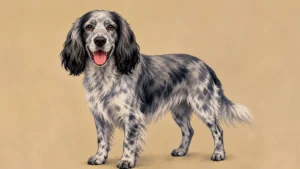
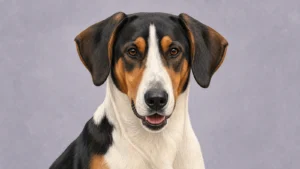
Grand Bleu de Gascognes are moderate shedders with a short, dense coat. While they are not heavy shedders, you should expect a consistent amount of hair loss year-round. Weekly brushing with a firm bristle brush is usually sufficient to manage loose fur and maintain their striking blue-ticked appearance.

SCORE
0 /10

1 hour/week

Weekly brushing of its short, dense coat.

SCORE
0 /10

Moderate

Its low grooming needs but high exercise and mental stimulation requirements.

SCORE
0 /10

"Large" to reflect the breed's actual size

Grand Bleu de Gascogne measurements; males are 65–72 cm and females are 62–68 cm, weighing up to 80–120 lbs.

SCORE
0 /10

3-4 years

Growth patterns for the Grand Bleu de Gascogne, which reaches full physical maturity by age three.

SCORE
0 /10

"4-5 cups" to suit a large breed weighing up to 120 lbs

Recommendations for a large, active hound like the Grand Bleu de Gascogne.

SCORE
0 /10

3 meals/day

Grand Bleu de Gascogne puppies should be fed 3 meals/day to support their rapid growth and high energy levels. Consult your veterinarian for a specific feeding schedule.

VET INSIGHTS

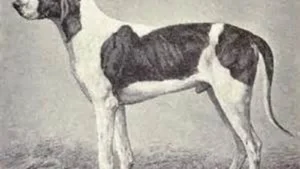
Grand Bleu de Gascognes are large, noble hounds known for their striking blue-ticked coats and exceptional scenting abilities. They are moderate shedders with easy grooming needs, requiring only weekly brushing. These high-energy dogs need significant daily exercise and reach full maturity by age three. While affectionate with families, they are independent workers that thrive in spacious, rural environments.


Photo
Reviewed by
Dr. Vojtech Gabriel
DVM · PhD · MBA
Veterinarian Researcher Dog breed specialist
Verified

Explore Other Breed GROOMING PROFILES